Case study
Process
Summary
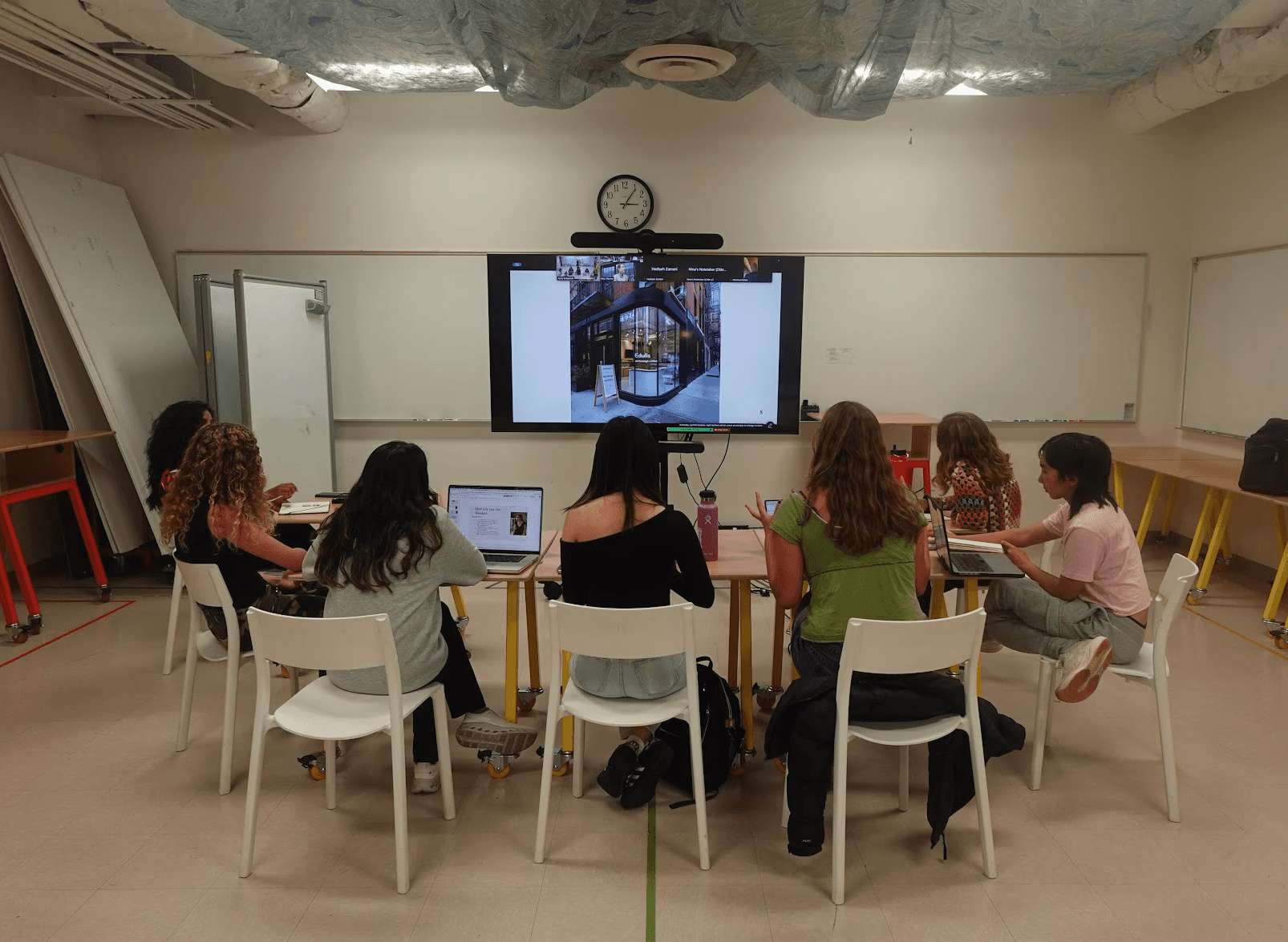
In Fall 2024, I enrolled in a Human-Centered Design course at Pomona College where my team of five students partnered with Pilgrim Place, a retirement community in Claremont, California, on an intergenerational bridge-building project. We identified a critical disconnect between two communities existing just four blocks apart: college students seeking mentorship and life guidance, and retirees eager to share their wisdom and experience. Through stakeholder interviews and user research, we uncovered a mutual need for cross-generational connection and designed solutions to bridge this gap between the Claremont Colleges and Pilgrim Place communities.
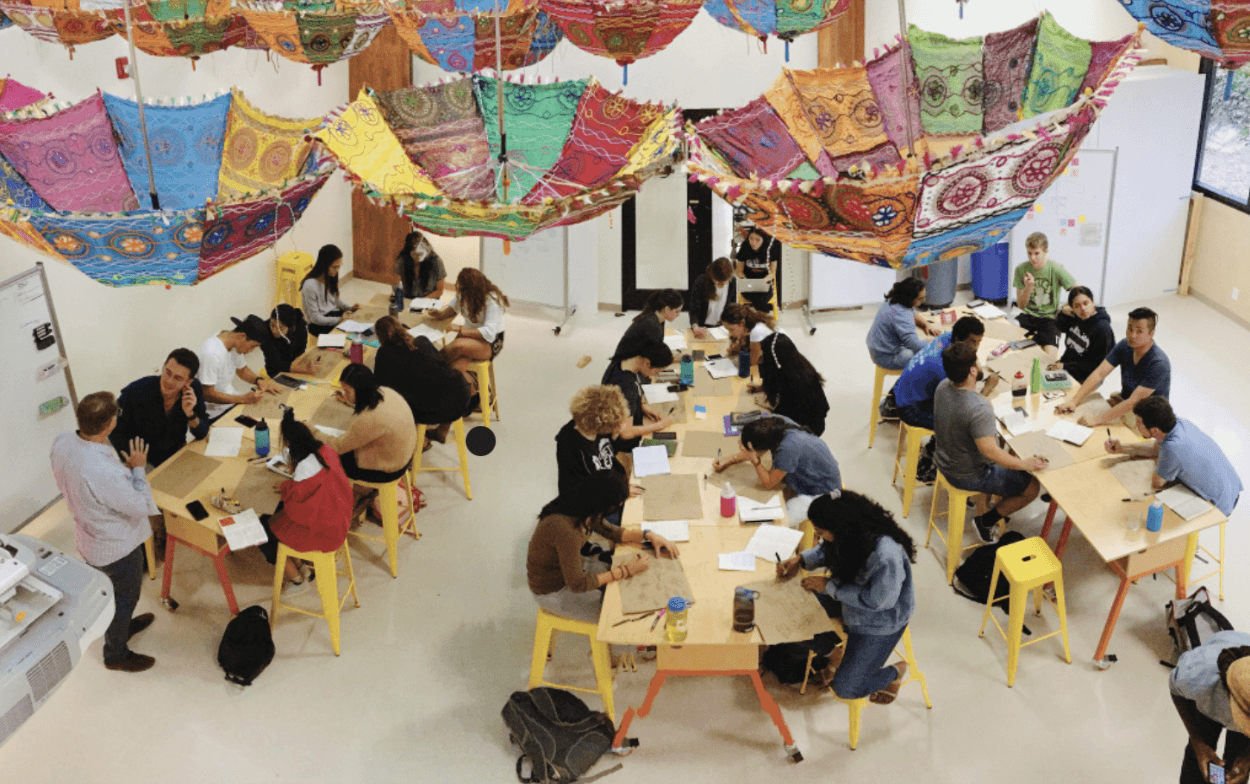
Discover, Define, Develop, Deliver.
Throughout this project, we applied both the human-centered design framework (Discover, Define, Develop, Deliver) and design thinking methodology (Empathize, Define, Ideate, Prototype, Test) to develop user-informed solutions.
Discover: Feild Visits + Interviews
To kick-off the design process, we conducted a total of three interviews at the Pilgrim Place and focused on creating a personal connection with the potential users. Additionally, we observed the set up of the Pilgrim Place, learning about the pre-existing resources offered to the residents and design tactics put in place to foster an element of connection.
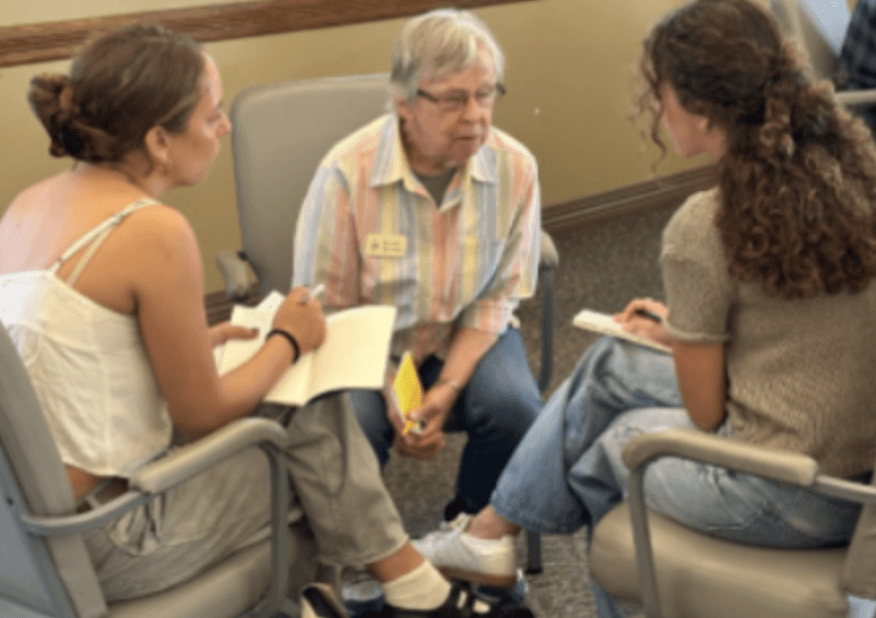
Findings:
1. A lot of residents voiced that "something is missing" in terms of her ability to connect with people in other generations while at Pilgrim Place.
2. While Pilgrim Place drew many residents with similar perspectives, there was a growing desire among the community for a greater variety of viewpoints and experiences.
3. Pilgrim Place residents already had a lot of pre-existing resources at their disposal
Define: Concept Development + User Personas
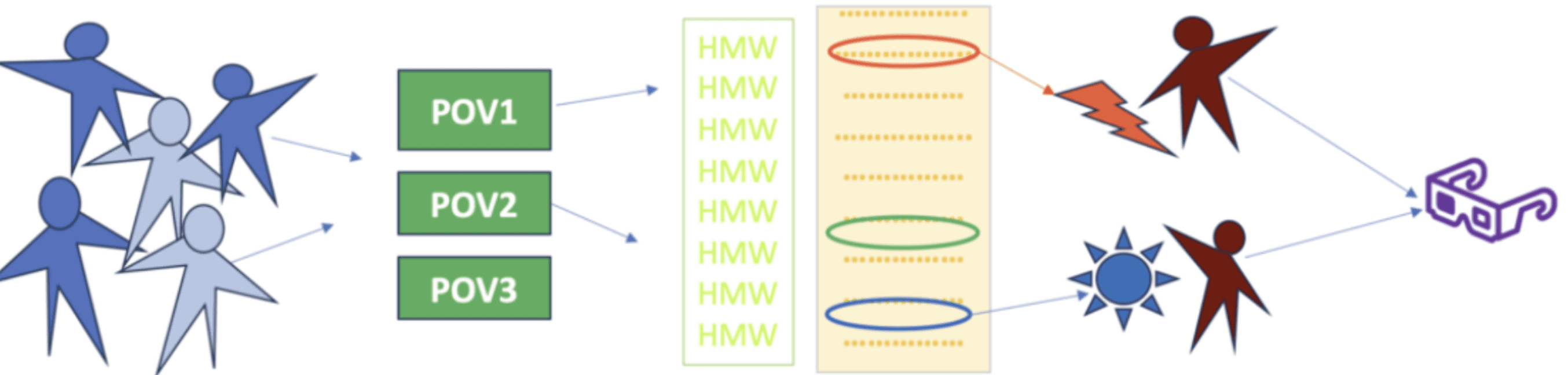
We synthesized six user interviews into empathy maps and developed point-of-view statements with SPICE frameworks to understand each user holistically. These insights informed detailed personas that guided our "How Might We" questions for ideation.
Our key insight: both groups craved what the other had to offer—elderly residents needed outlets to share their stories and wisdom, while college students were actively seeking that exact guidance and mentorship.
Outcome
Develop: Ideating and Testing
Our ideation process was grounded in the user personas we developed, translating their specific needs into creative solution concepts.
User Persona | Corresponding Idea |
|---|---|
Local college students seeking mentorship opportunities and meaningful connections with experienced community members | Intergenerational Chess Club – A structured environment where elders could share strategic thinking and life wisdom while students offered fresh perspectives, fostering the mentorship and community connection both groups desired. |
An isolated elder park lover and chess connoisseur with limited mobility who craves connection with younger university-aged students. | Intergenerational Poetry Club – Weekly readings and collaborative writing sessions where elders could share literary knowledge and life experiences while students contributed contemporary viewpoints, creating meaningful cross-generational dialogue. |
The Pivot: From New Programs to Better Access
During ideation, we discovered the real problem: not missing activities, but poor discoverability. The culprit was an illegible activity menu. Rather than introduce a new tool—which could overwhelm elderly residents—we redesigned the existing menu they already used. This approach addressed their needs without adding complexity to their lives.
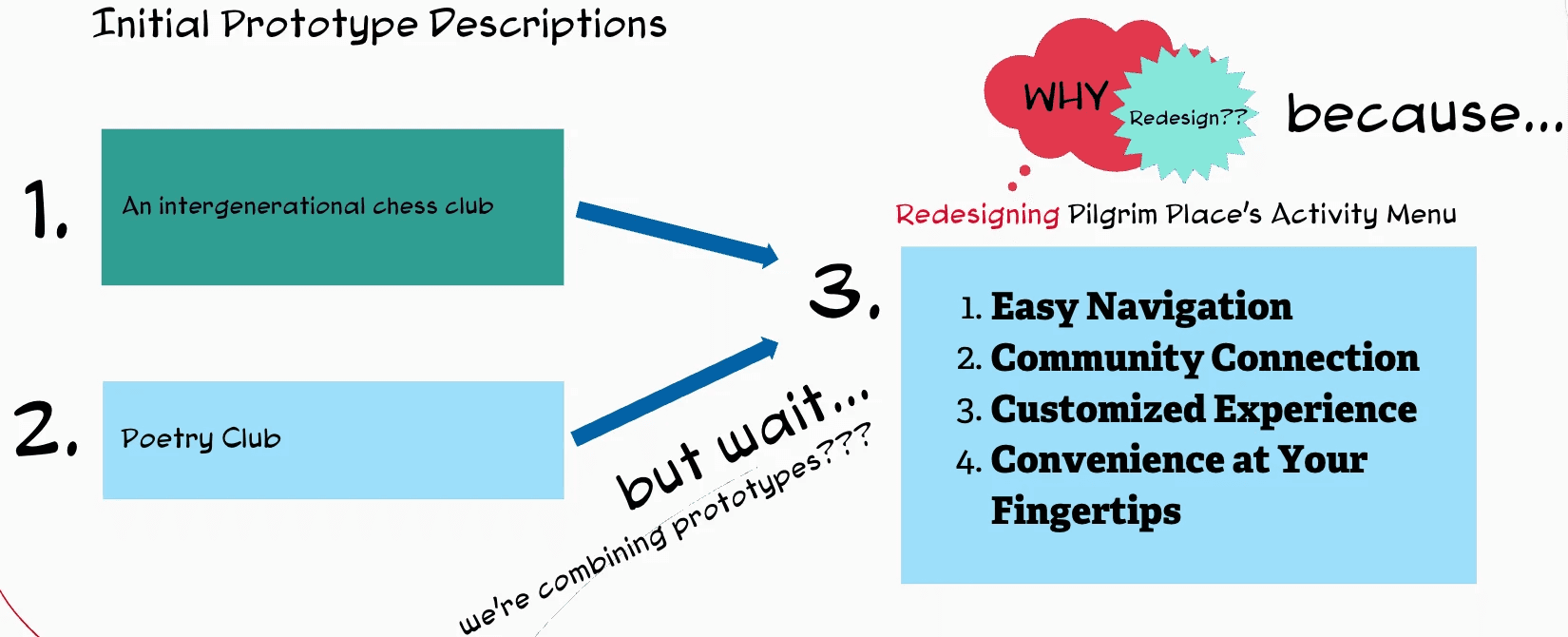
This realization led us to pivot from creating entirely new programming to improving access to what already existed, recognizing that rather than adding another layer of activities that residents would need to learn about and navigate, redesigning existing systems could have greater impact with less friction.
Deliver
Before
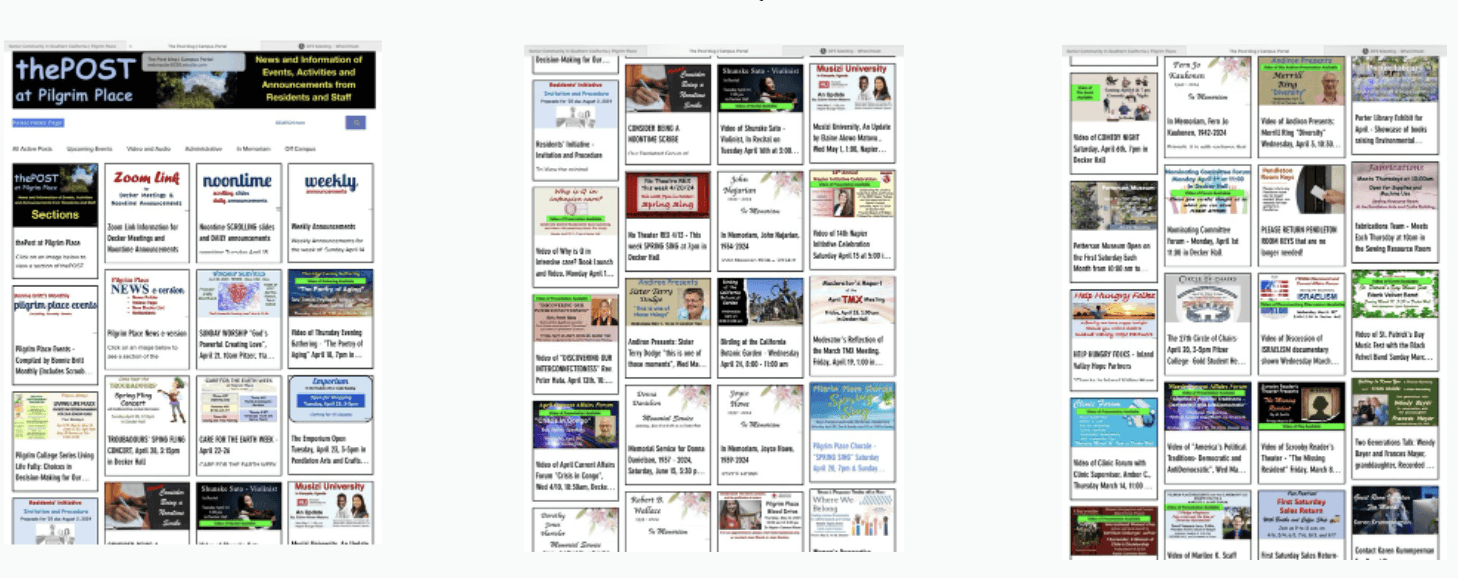
After
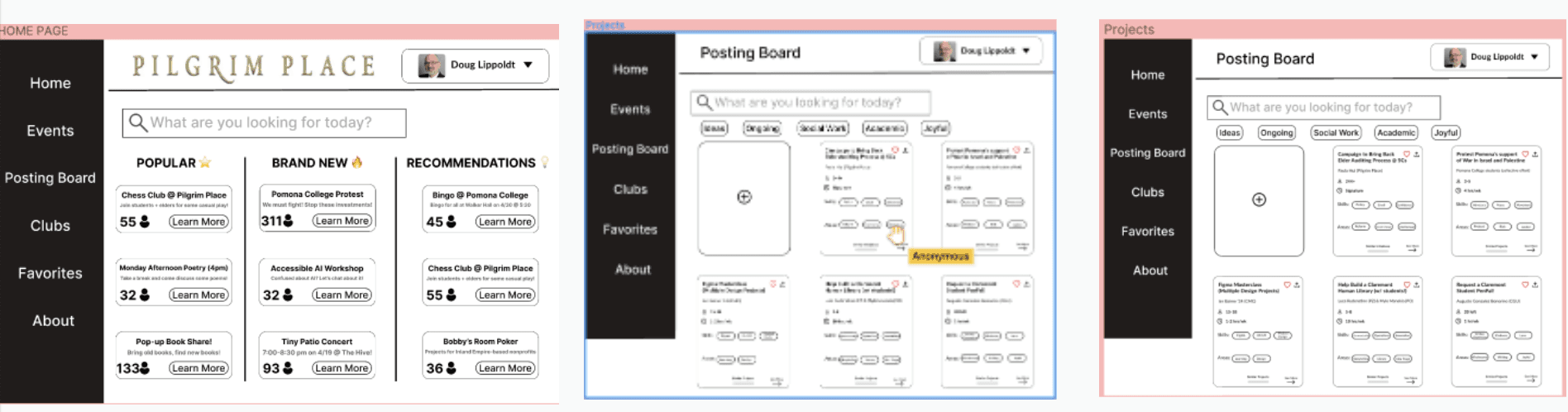
We redesigned the activity menu into an intelligent recommendation system that personalizes content based on user interests and ratings, displays real-time programming, and incorporates social discovery to surface friend-endorsed activities—creating seamless pathways to intergenerational engagement.
Testing
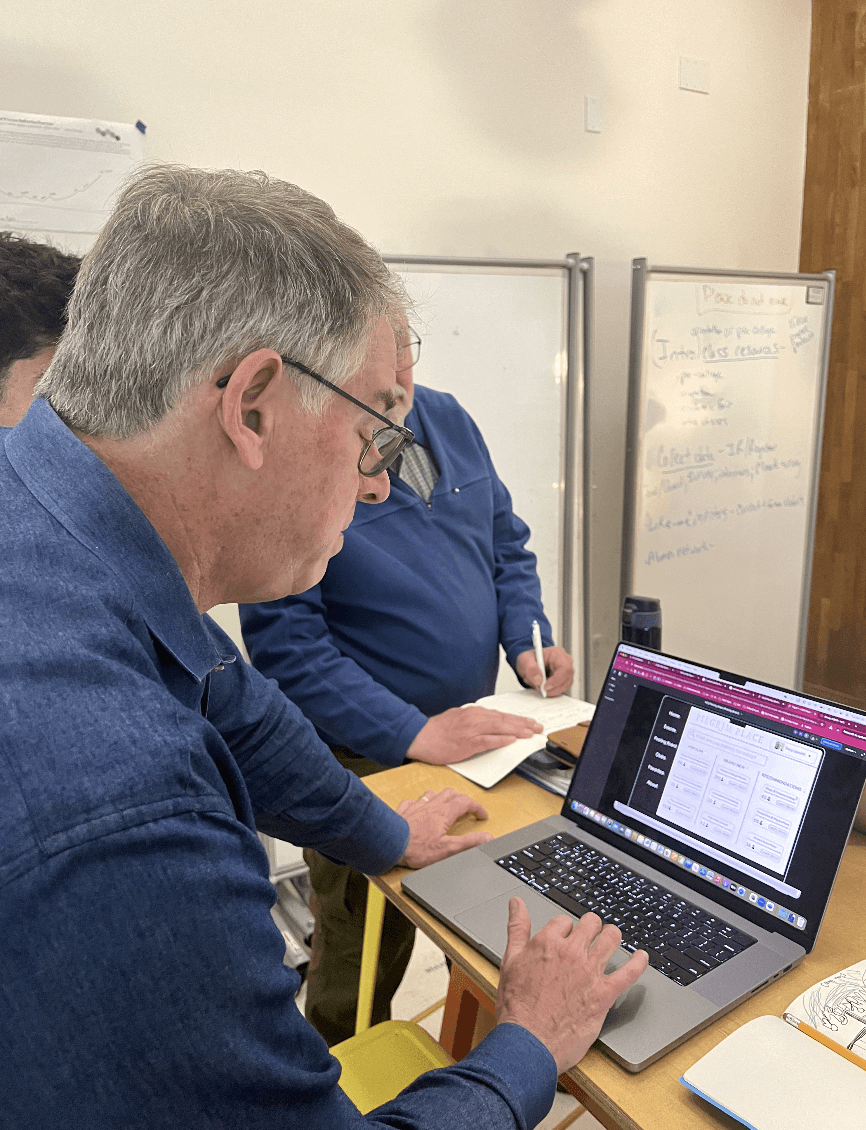
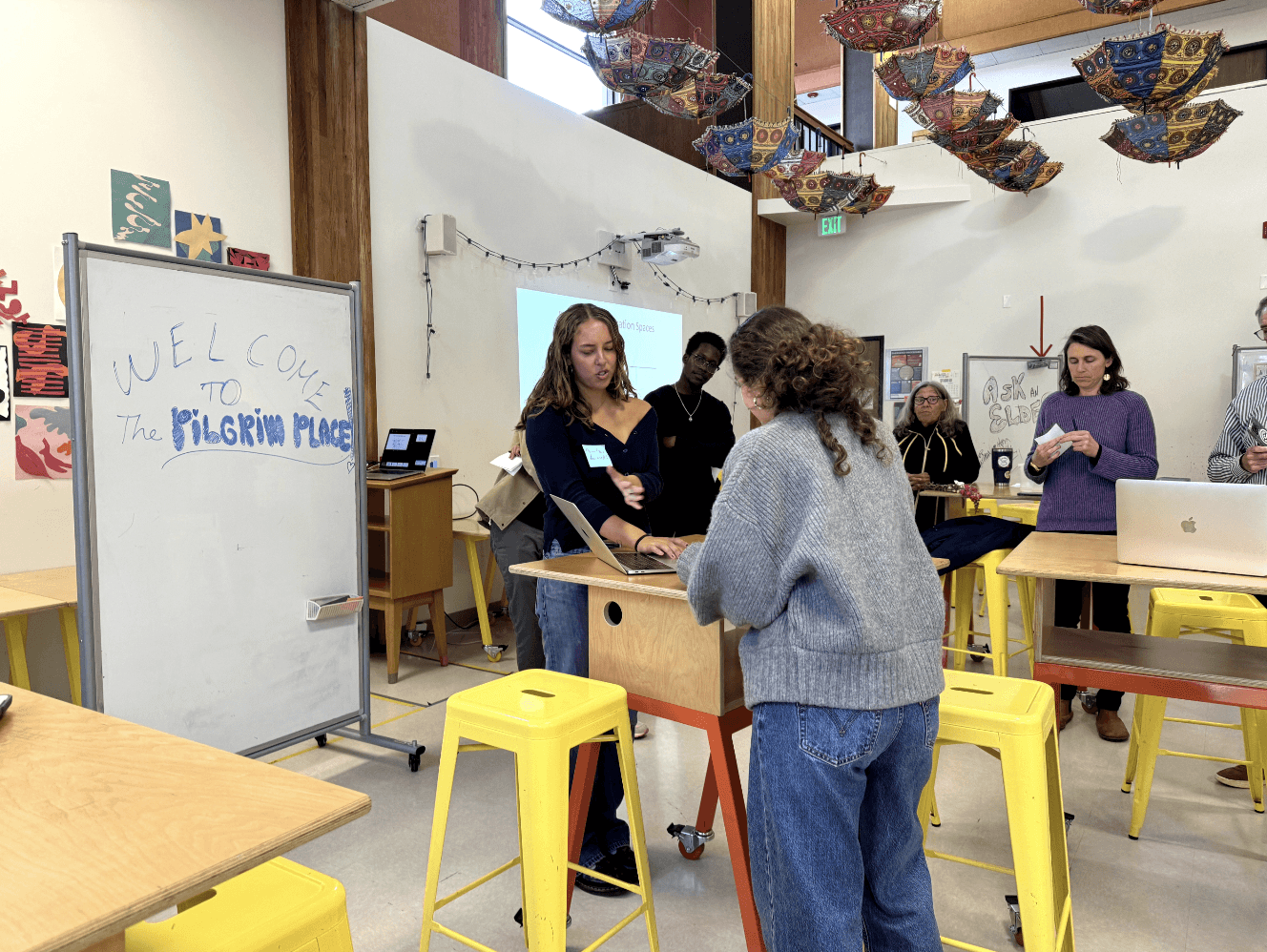
Stakeholder Validation: I presented our redesigned activities menu prototype to key project stakeholders, including supervising professors, Pilgrim Place management, current residents, and representatives from our original user persona interviews. This comprehensive feedback session allowed us to validate both our pivot rationale and our design approach with the people who would be most impacted by the solution.
Main Takeaways:
The design process thrives on iteration—pivots became opportunities to refine our approach and strengthen our solution.
User research challenges assumptions We entered the project assuming the problem was a lack of intergenerational programming, but research revealed the real barrier was discoverability and information architecture. This demonstrates how direct user engagement uncovers insights that desk research or assumptions can't—saving time and resources by solving the actual problem.